The communication framework was designed through my experienced in speaking to my team and also to larger audiences. The advantage of having this method is that you are always able to design your message effectively and promptly.
Being clear means your message has clarity of purpose and meaningful arguments or points. Regardless of any audience or topic, you will need to have a clear message that you would want to deliver. Research shows that people form impressions of a speaker’s trustworthiness and competence in as little as 30 seconds (Frankie Kemp). This initial window is critical.
Next is being concise. All keen communicators are able to simplify their message as such leaving an imprint in their audiences. The reason is because they know exactly what their audience needs are. Basically, they are presenting what their audience truly had wanted to hear in the first place. Being concise ensures you maximize the impact during key moments where the audience are most engaged. It also minimizes cognitive load, allowing the audience to easily grasp the core idea and key benefits without feeling overwhelmed.
Lastly, it is being about being convinced and convincing. The latter can only happen if you are able to be convinced yourself. Experts speak from off the cuff because of the years of learned experience of their subject matter. This is a repetitive learning on a particular subject until of which the knowledge is above most of the interactions. Hence, researching a particular topic and include supporting data is the foundation of good communication. You want to speak with authority and that can only be achieved with your achievements or reference to others’ success. You first begin by building the confidence through being convinced.
One key example would be Barack Obama’s “Yes We Can” speech in his 2008 Presidential election campaign. Delivered after a surprising loss to Hillary Clinton in New Hampshire primary, it reframed the narrative and subsequently defined his candidacy. His core message was of hope, unity and the potential for transformative change. Those three words were clear, concise and convincing.
1. Be Clear
Know your core message. Determine your point before you speak. If it takes 3 minutes to get to your point, you’ve already lost attention.
Use simple language. No jargon, no fluff.
Structure your message well with your intention. What is the objective you seek to achieve?
2. Be Concise
Value your audience time and attention. Getting to the point efficiently respects their time and conveys professionalism.
Avoid repetition unless reinforcing.
Think sharp, precision and authoritative. Concise speakers are often perceived as more confident, credible, and persuasive.
3. Be Convinced (and Convincing)
Speak with conviction. Your energy through your belief transfers to your team.
Knowledge is power. Prepare well and thoroughly on the subject matter.
Remove apologetic language (“I think”, “Maybe”, “Sorry, but…”).
Use tone, pace, and pause strategically to control the room.
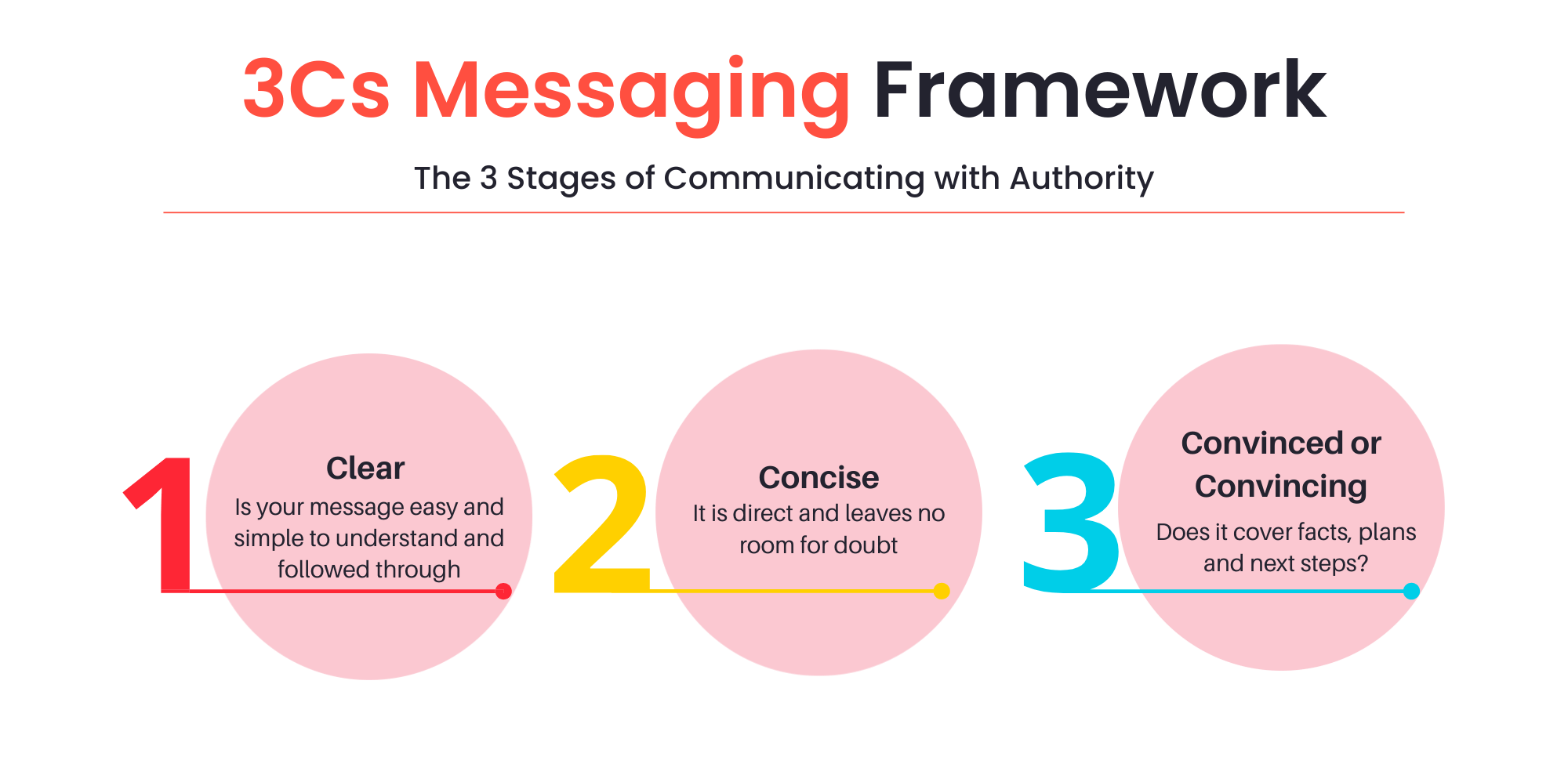
Practical Application: Using the 3C in Real Life
Scenario 1: Leading a Team Meeting
Clear: “Our goal this week is to reduce client wait time by 10%.”
Concise: “We’ll do this by improving the handover process.”
Convinced” “Our observation narrowed to vehicle preparation before handover”
Scenario 2: Conflict Resolution
Clear: “Let’s address the core issue: missed handovers.”
Concise: “It’s affecting client trust and stresses the team.”
Convinced: “We shall hold half way mark update meetings.”
Scenario 3: Giving Feedback
Clear: “Your reports are detailed, but often late.”
Concise: “Let’s work on timeliness without losing depth.”
Convinced: “We shall review your work process to identify the pain points”
Checkpoint Summary: Leadership Is the Art of the Message
The most respected leaders are rarely the loudest. They are the clearest. When you master the 3C model, you don’t just speak better; you lead better. Every word becomes an influence, every conversation a moment to shape culture and every beliefs are embraced.
Challenge for the Week: Record a 1-minute voice note delivering your message for the day. Listen back. Was it clear, concise, and convincing?